




It can be challenging to assess leadership skills during an interview.
Here are some questions to get you thinking about what you want to ask your next leadership candidate. What would you add?

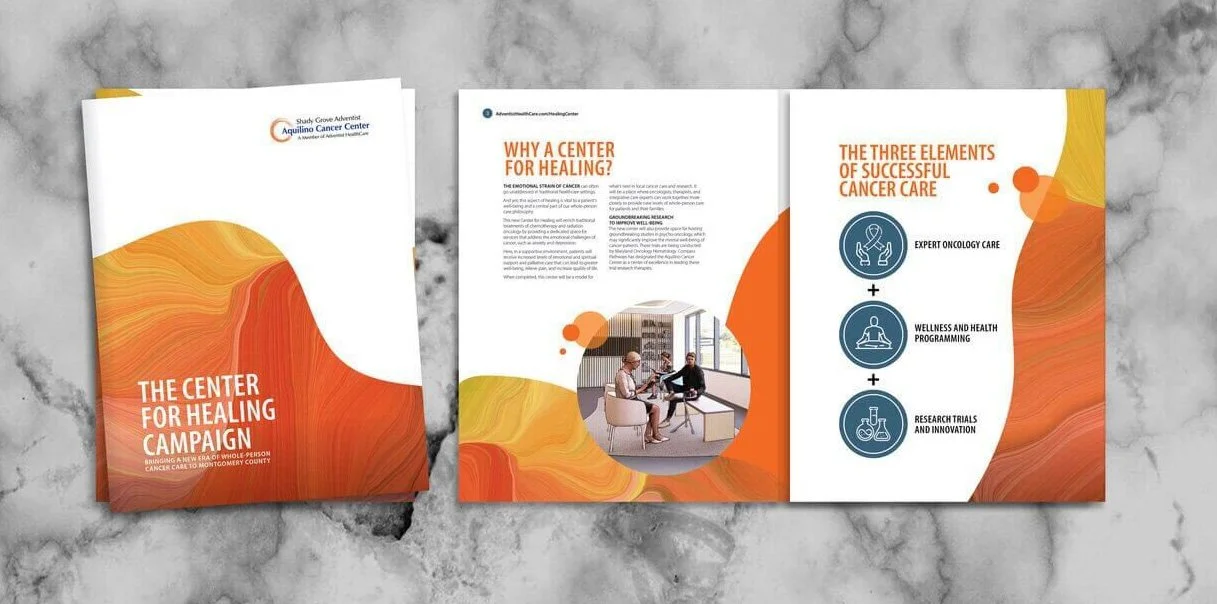
We’re pleased to announce that three recent creative projects have received awards from the 2024 International Hermes Creative Awards Competition.
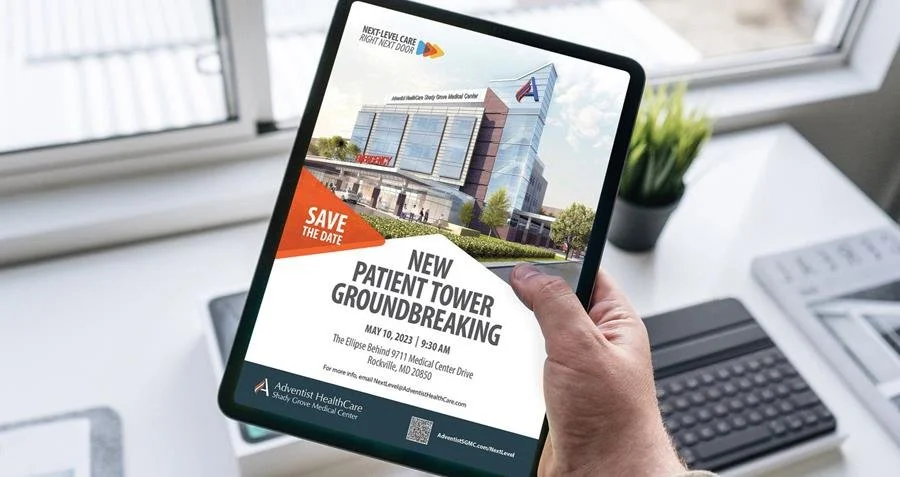
Shady Grove Medical Center has recently introduced the construction of a new tower building, with a focus on providing patient-centric care and innovation. The advertising campaign by CMBell showcases the hospital's cutting-edge technologies and medical advancements through captivating visuals and compelling narratives, representing the hospital's transformative journey.
How do you know if you’re getting the best possible results from your social media?
You should be getting leads (or sales, if your product can be purchased online), and your audience and engagement should be growing.
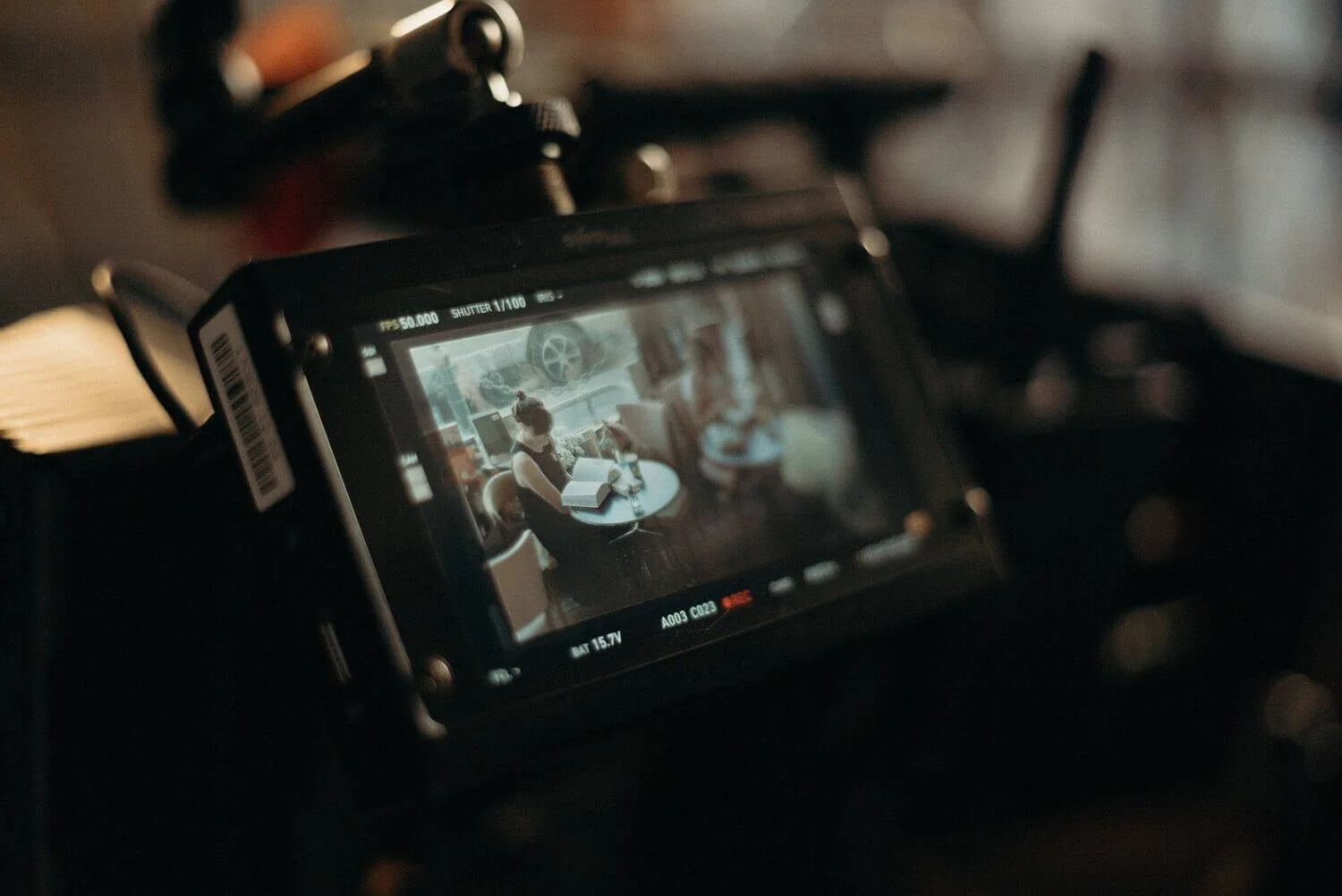
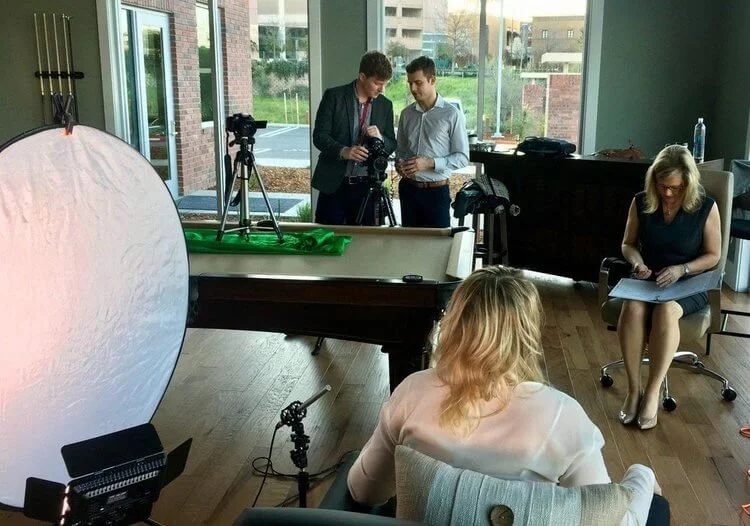
If you’re ready to level up your video content game, the next step is figuring out what kinds of videos will fit your goals.
Here are just a few of the video options to consider:
Looking to hire a new communication team leader?
Hiring for a communication position—and wishing you could dig a bit deeper than the standard interview questions? You know, the ones that ask about strengths and weakness, career plans, and why they are interested in this particular position.
Now that I have chosen my phrase for 2024, I also want to invite you to join me in a little exercise of reflection, because this often creates clarity for The Next Thing.
As I look ahead to 2024, here are some questions I’ve found helpful as I think about the possibilities a new year holds—and where I want to put my effort:
Getting heard is getting harder, and having a strong digital presence has never been more important.
Whether you want to build culture, increase online presence, or win customers, video outperforms all other media in getting viewed and remembered and should be part of your current marketing strategy.
Creating a new website can easily slip into the “not today” category, and for good reasons.
It’s easy to get caught up in a flurry of worries like: What if I can’t find the right vendor? How can I be sure that I’ll get a website that helps grow our business? What if there are cost overruns? What if there are delays? What if I haven’t managed an outside web vendor before? Or where do I even begin?
Maybe there's a reason that blue is the #1 choice for corporate branding and identity, as many hope to cash in on the intrinsic belief that blue represents constancy, quality, and achievement. It does seem to be a color that many executives like—and as you can see, we’ve used it for our own brand because of its classic, timeless appeal.
The way we adapt to the crowded world of communication is by evaluating a message in a matter of seconds to see if it interests us. If it doesn't, we move on. Your job as a presenter, then, is to make it as rewarding and easy as possible for your viewer to grasp your message.
Here are 10 things you can do right now to improve your PowerPoint or other presentations:
Words and images are powerful tools for building a company’s culture. And yet they are too often underused in business.
While mission and values are at the center of an organization’s culture-building language, a mantra can flesh those out. If, for example, excellence is one of your values, a mantra can focus attention on how excellence occurs.
The new year is a good time to take a fresh look at your website—your front door to business—and ask “is it helping my business grow, or standing in the way of growth?”
If you’re not quite there yet, the right web development firm can help you take your website to the next level—and in the process, make it easy, painless, and affordable to give your website a true competitive advantage.
Creating a winning website is one of the most exciting and high-impact marketing tools you will make. And getting more than you paid for is the best outcome!
As a client, you don't often realize how much you can do to help make this happen. The place to start is with an understanding about how web vendors estimate their costs and manage the project. Your web vendor typically allocates a set number of hours to create your new website.
Your annual report may be your most important communication tool—It offers a snapshot of company performance, shows how you're creating value for your stakeholders, and offers a glimpse into the purpose that drives your organization.
To get the most from your investment, design your annual report as both a marketing tool and a reporting tool that can reach shareholders, employees, and customers.









![Is 2018 going to be your best year ever? [7 Tips]](https://images.squarespace-cdn.com/content/v1/520ae1d7e4b0734e32e175ff/1516824508143-OOH8D94BRFZHA1WHNEK6/header14.jpg)