



People align themselves with brands with whom they share interests and values. So if you're not sharing yours, here's what you could be missing out on.

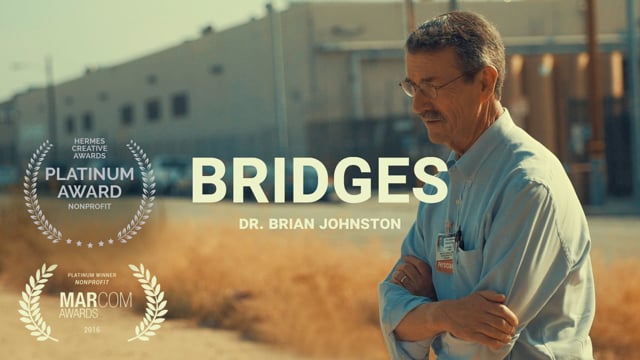
We’re pleased to announce that three recent creative projects have received awards from the 2024 International Hermes Creative Awards Competition.
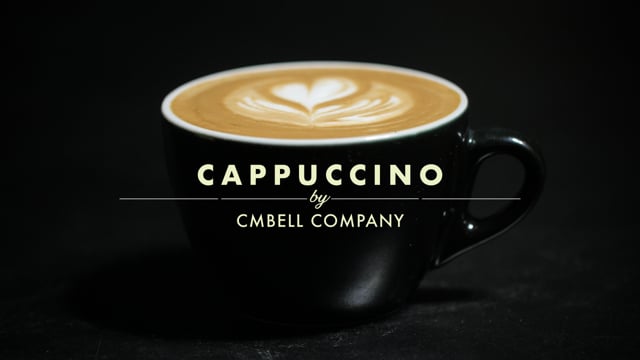
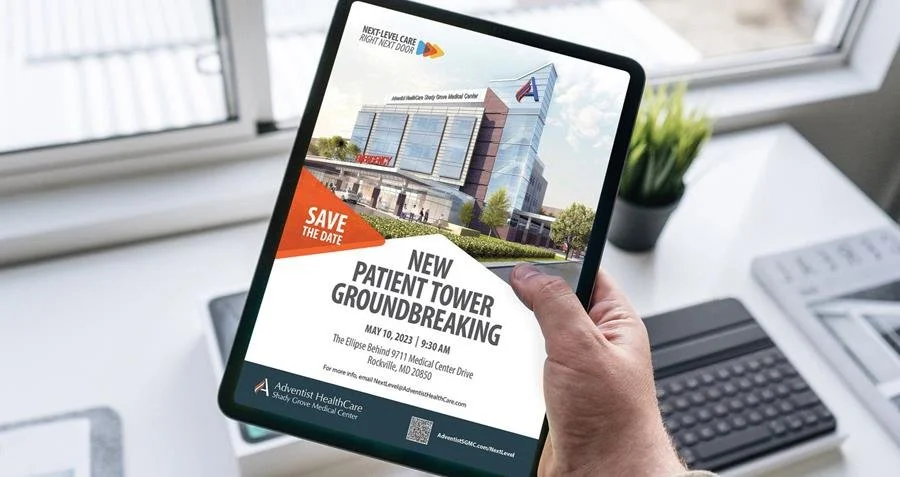
Shady Grove Medical Center has recently introduced the construction of a new tower building, with a focus on providing patient-centric care and innovation. The advertising campaign by CMBell showcases the hospital's cutting-edge technologies and medical advancements through captivating visuals and compelling narratives, representing the hospital's transformative journey.
How do you know if you’re getting the best possible results from your social media?
You should be getting leads (or sales, if your product can be purchased online), and your audience and engagement should be growing.
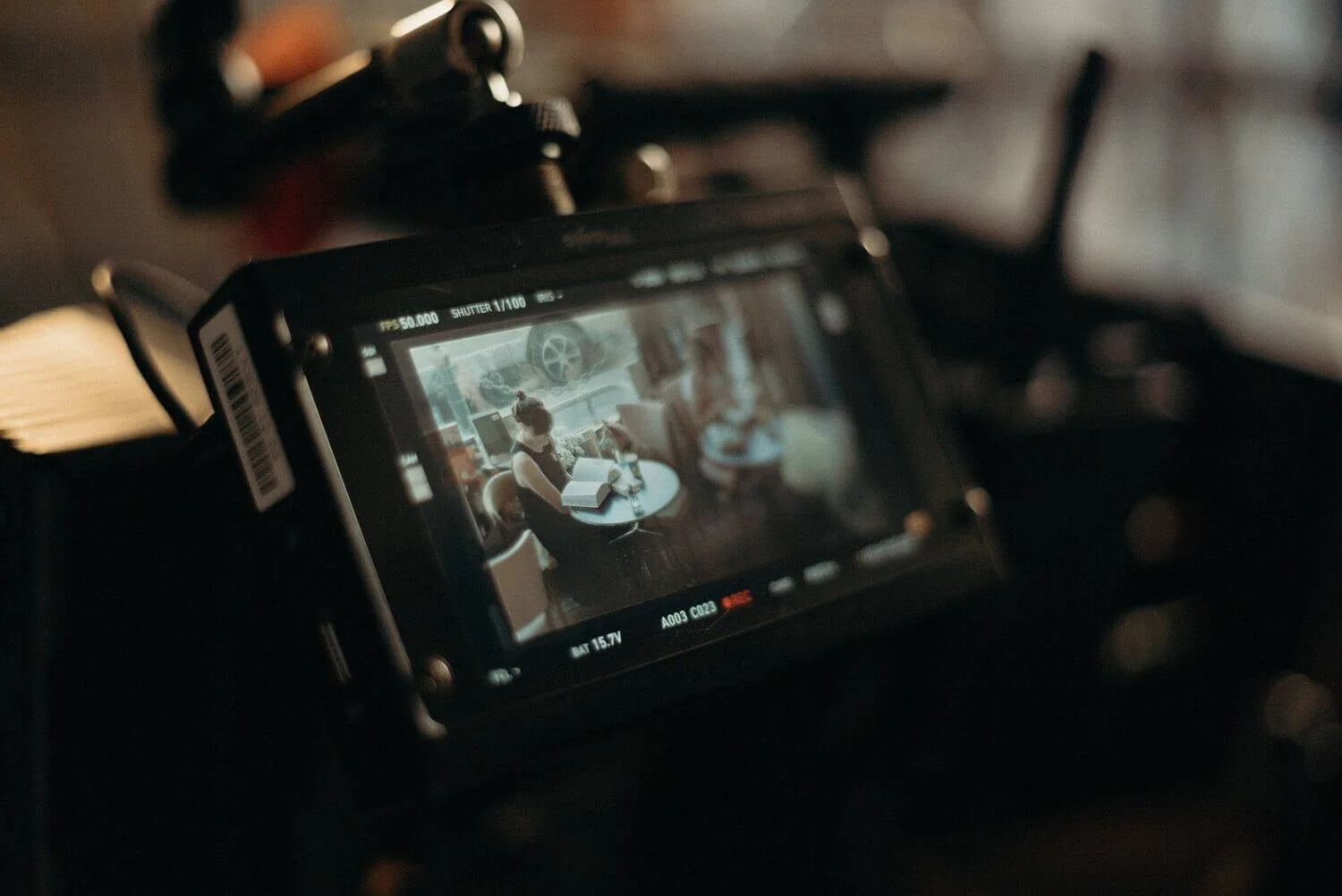
If you’re ready to level up your video content game, the next step is figuring out what kinds of videos will fit your goals.
Here are just a few of the video options to consider:
Looking to hire a new communication team leader?
Hiring for a communication position—and wishing you could dig a bit deeper than the standard interview questions? You know, the ones that ask about strengths and weakness, career plans, and why they are interested in this particular position.
Communication has never been more important to businesses and organizations. A company’s website is probably the most important marketing and sales tool available. It’s important to update stagnant designs after five years or more.
CMBell recently redesigned the visual brand for Stella’s Homestead, and in this entry, we’ll take you behind the scenes on some of the work that led up to this.
Getting heard is getting harder, and having a strong digital presence has never been more important.
Whether you want to build culture, increase online presence, or win customers, video outperforms all other media in getting viewed and remembered and should be part of your current marketing strategy.
Words and images are powerful tools for building a company’s culture. And yet they are too often underused in business.
While mission and values are at the center of an organization’s culture-building language, a mantra can flesh those out. If, for example, excellence is one of your values, a mantra can focus attention on how excellence occurs.
Getting heard is getting harder. But creating good content continues to be a winning strategy for building strong brands.
Whether you want to build culture, increase employee engagement, or win customers, video outperforms all other media in getting viewed and remembered and should be part of your 2017 brand content strategy.
But don't get caught thinking only of traditional, high-cost video productions. Videos now come in all kinds of styles and price points—some less than you've paid for a traditional print ad. Here are eight popular types to consider:
Pros: Evokes a feeling about your brand through the artful use of visuals and music without narration. This style is less about persuasion and more about connecting you emotionally to the brand. These work well as the hero video for your website's home page.
Pros: Brings your message to life with custom illustrations in almost any style—from casual and fun to sophisticated and stunning. Helps you avoid that moment when you realize that your competitor is using the same stock images that you are.
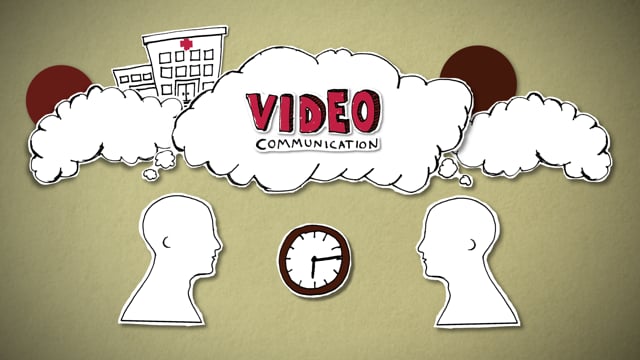
Pros: Great tool to add humor and fun to a topic that might be complex or less than exciting. Can be produced quickly without the need for images or footage. These are ideal for explaining a process or an idea.
Pros: This unscripted style can make a leader's message more personal or bring to life a customer testimonial. Affordable to produce.
Pros: Lends the credibility of real people doing real life. And who doesn't love a story?
Pros: This is a fast, affordable way to bring simple messages to life using motion graphics and music. Great tool for adding impact to websites, digital ads, and e-letters. In its simplest form, this can make you look smart even if you don't have the time or the budget to get great photos. And it can be embellished with photos or illustrations.
Pros: Nothing reveals the heart of your organization like a story. These can be built with interviews, narration, b-roll, still images, illustrations, and on-screen text using fresh production techniques and arresting music, but the key is often a good interview. This versatile style is the must-have piece in any company's video portfolio and works well for web, special events, fundraising galas, e-letter marketing, and digital marketing.
Pros: Put your old-school PowerPoint presentation on steroids by reinterpreting it as a video rich with visuals, music, and narration. Good for selling an idea, strategy or vision to employees, customers, and shareholders.
Wondering how video can help your brand get noticed? Let's talk.

In some circles, great design is still considered a luxury. But more often than not, this idea is a fatal flaw for a brand.
Today’s consumer has sophisticated visual tastes created by the most creative communicators in the world. Their reference point for this is not just your competitors—it’s every message they get from any industry.
This is why great design is actually a brand differentiator. Great design provides instant visual cues about your brand that affiliate it with other brands familiar to the viewer—allowing them to decide in as little as a second if they want to further engage with you. The more oversaturated people are with information, the more they rely on these cues as short cuts for adjudicating a product or service. It’s simply an efficient way of navigating information.
Here are some common mistakes brands make when they don’t embrace this important truth:
It’s better to go with less in other areas than to settle for also-ran design.

Graphic standards are designed to create visual cohesiveness for your brand. But their usefulness can vary widely depending on how old they are, how robust they are and how they have responded to changes in your world.
Here are six questions to ask to see if your graphic standards are still serving you well—or need an update.
Is the logo practical?
Does it perform on a lapel pin and on the Web as well as it does on an outdoor board? In color or black and white? Professional designers test their recommendations in these venues before making them, yet we still find logos out there that are difficult to deploy in different applications.
Is the logo footprint unwieldy?
Square, round or odd-shaped logos often get problematic because their footprint doesn’t integrate well into an application. A discrete, contained footprint is often the most practical one for a logo.
Do you have enough font options?
Different applications require different types of fonts. Fonts that work well on an outdoor board aren’t always the same ones that work well on the Web. So be sure you have enough font options for all of your applications.
Is there a standard font included for the non-designer?
Hundreds or thousands of people in your company will be trying to work with these standards from the comfort of their own laptops and desktop computers, all armed with the standard fonts that come with their computers. You should have at least one of these standard fonts as an option in your recommended fonts—or it could end up being very costly to purchase specialty fonts for every user.
Do you find yourself struggling with the colors?
Maybe the palette doesn’t translate well to Web applications. Or you find there isn’t enough contrast in the colors to provide readable print or outdoor creative. Or there aren’t enough colors to serve your needs. Or perhaps the colors are starting to feel dated. Colors do go out of style, particularly those that aren’t classic colors, so if yours aren’t looking fresh, add some new ones.
Can your logo be built in four-color vs. adding Pantone spot colors?
A logo that requires Pantone spot color can add cost, because it requires adding another ink to a four-color process. Designing one that can be built using four-color process can save you printing costs.
If these are problems, you can update your standards—you don’t have to completely recreate them to keep them useful. Add colors, fonts and applications as you see the need. While it’s important to have consistency across a brand, brands migrate visually with time and this isn’t necessarily bad. Remember that while it’s important to preserve consistency, it is ultimately as important that your visual brand works for you. Tweaking it as your business needs change should be expected.
What problems are you having with your graphic standards that could be improved with a little tweaking?

Naming your new product, service or business is about so much more than whether you like the name. Each word in the name carries with it meanings—some of which are pervasive and others which are nuanced.
Here are 10 guidelines we use when working with clients looking for a name:
In most cases, names that make it immediately clear what the business is will help your prospective customers engage sooner. If I’m looking for a florist and words like “flowers” or “florist” are in the name, I immediately see that this is the kind of business I’m searching for. There are exceptions, of course, but we know that when the brain spots a word it recognizes, the process of searching is made easier.
The name should be distinctive and memorable.
The name should import or evoke the desired brand attributes. If your business is competing in and industry known for fun, for example, then the name needs to evoke that.
Take into consideration what its acronym spells (in any language).
The name should be easy to pronounce, as sometimes it will be only heard and not seen (think audio-only ads).
The name should both sound good and look good visually on an ad, billboard, website or in a logo.
Check domain name availability and buy it quickly once you have consulted your legal counsel. And here’s a word of caution. Some domain sites actually buy-up names you search for as part of their business strategy, so you can look up their availability one day and later come back to find it is no longer available—except if you want to pay the higher price they’ve now attached to it.
If it’s a made-up word—like OptiTru or XyPhil—you’ll need the budget to teach the public what it means. Made-up names don’t signal any reference point in the reader’s brain. This can be good, if you want to create the brand from ground up—but bad if you don’t have a lot of money to spend.
If there will be multiple locations, make the name flexible to accommodate those.
If it’s a sub-brand, think through the implications of its relationship—visually and otherwise—to the master brand.